
Back Pain Physiotherapy in Hervey Bay
Expert rehabilitation for lower back pain, sciatica and recurring back flare-ups.
Whether you've suddenly put your back out bending over, have pain travelling down your leg, or have been dealing with recurring flare-ups for months or years, we'll work out what's going on and create a clear plan to help you move confidently again.
The Reality Of Back Pain
Back pain has a nasty habit of making people feel fragile.
You stop bending over.
You brace before getting out of a low chair.
You think twice about lifting something from the floor.
You start worrying that one wrong movement will put your back out again.
Little by little, your confidence drops and your world starts getting smaller.
The good news?
Backs are incredibly strong and adaptable structures.
Most episodes of back pain improve, and even people who have been dealing with recurring pain for years are often capable of far more than they realise.
At The Physio Don, we don't treat MRI reports or old x-rays. We assess the person in front of us.
Our job is to understand what's driving your symptoms, settle things down when needed and then help you rebuild confidence, movement and strength so your back becomes more resilient again.
Backs Are Stronger Than You Think
Research consistently shows that our backs adapt remarkably well to movement and exercise.
Many people are understandably fearful after a painful flare-up, but backs are not fragile structures that need to be protected forever.
The right rehabilitation program helps rebuild confidence, strength and trust in your body again.
Who This Is For
Whether you're trying to get back to golf at Hervey Bay Golf Club, keep up with the gardening, return to the gym or simply pick up your grandchildren without worrying about your back, we can help.
We provide structured rehabilitation for everyday locals looking to move with confidence again.
Common Back Conditions We Help With
Back pain isn't one diagnosis.
Two people can both say, "I've got back pain," but have completely different problems and need completely different approaches.
Acute Lower Back Strains & Flare-Ups
Sudden painful episodes that often happen after lifting, bending, twisting or awkward movements. We work to settle symptoms and restore confidence with movement as early as possible.
Disc Bulges & Disc-Related Pain
Deep lower back pain, stiffness and movement limitations. While disc changes can sound alarming, they are extremely common and many people improve well with conservative treatment and progressive rehabilitation.
Sciatica
Pain, pins and needles, burning or altered sensations travelling into the buttock, thigh, calf or foot. Accurate assessment and a progressive rehabilitation plan are often key to settling symptoms and restoring confidence with movement.
Persistent & Recurring Lower Back Pain
Back pain that repeatedly flares up over months or years, gradually chipping away at confidence and causing people to avoid activities they enjoy. Our focus is helping people rebuild long-term capacity and trust in their back.
Degenerative Changes & Arthritis
Age-related changes commonly seen on imaging. Think of them as grey hair on the inside. While structural changes may remain, the pain, stiffness and limitations associated with them can absolutely improve.
Spinal Stenosis
A narrowing around the spinal nerves that can contribute to back pain, leg symptoms and reduced walking tolerance. Appropriate exercise and movement strategies can often help people walk further and move more comfortably.
Post-Surgical Rehabilitation
Structured rehabilitation following procedures such as discectomy, laminectomy and spinal fusion. We work alongside your medical team to rebuild confidence, physical capacity and independence.
Sports & Gym Related Back Injuries
Lower back pain associated with running, lifting, golf, rotational sports and recreational exercise. Using our premium strength and conditioning facility, we help people return safely to training and activity.
Common Signs & Symptoms
The pattern of your symptoms often tells us more than the intensity of the pain itself.
Do I Need A Scan?
Many people assume back pain automatically means they need an MRI.
In reality, most episodes of back pain improve without scans or surgery.
Research consistently shows that findings such as disc bulges, degeneration and arthritis become increasingly common as we age, even in people with absolutely no back pain.
Imaging can sometimes be useful, particularly when it changes management or when specific signs and symptoms are present.
Our role is to determine when scans are likely to be helpful and, just as importantly, when they probably won't change what we do.
We treat people, not MRI reports.
Why Does My Back Keep Going Out?
This is one of the most common questions we get asked.
Usually it isn't because your back is weak, permanently damaged or out of alignment.
Pain changes people.
They become cautious.
They avoid bending.
They stop exercising.
They lose confidence in their back.
Over time, their body becomes less tolerant of everyday activities.
Suddenly, something as simple as unloading the dishwasher, lifting groceries or getting out of the car can trigger another painful flare-up.
Our goal isn't simply to get you through the current episode.
It's to help you build a back that feels stronger, moves more confidently and is better prepared for the demands of everyday life.
Our Approach
Understand The Problem
We conduct a thorough history and assessment to understand what's driving your symptoms, identify contributing factors and clarify what you're trying to get back to.
Calm Things Down
We use hands-on therapy, education and sensible activity modification strategies to settle symptoms and create a window where movement feels possible again.
Build Strength & Resilience
This is where lasting change happens.
Getting out of pain is important.
Staying out of pain usually means rebuilding strength, confidence and physical capacity.
We don't simply hand you a generic sheet of exercises and send you on your way.
With direct access to the premium strength and conditioning facility at LIFT, we're able to guide you through a structured and progressive rehabilitation program designed to help your back tolerate bending, lifting, walking, gardening, gym training and everyday life again.
Because feeling better is great. Staying better is even better.
Real Life Examples
We often see people who can walk comfortably but can't sit for more than twenty minutes.
Others can sit all day but can't bend to unload the dishwasher.
Some can train in the gym but wake every morning stiff and sore.
Others avoid golf, gardening or picking up their grandchildren because they simply don't trust their back anymore.
These differences matter.
Two people with the same MRI can need completely different plans.
The goal isn't a generic back protocol.
It's understanding what's limiting your life and rebuilding capacity around that.
Frequently Asked Questions
Do I need an MRI for back pain?+
Most back pain doesn't need an MRI. Findings like disc bulges, degeneration and arthritis are extremely common in people with no pain at all — they become more frequent with age in the same way grey hair does. Scans are useful when the result would change the plan: significant trauma, suspected serious pathology, or specific signs and symptoms. For the everyday back pain we see most often, a careful clinical assessment tells us more than the image.
Is my disc bulge causing the pain?+
Sometimes, but far less often than people fear. Large studies show that disc bulges show up on scans in plenty of pain-free people, particularly over the age of 40. Even when a disc bulge is contributing, most settle well with conservative care and progressive rehabilitation — surgery is rarely the first or only option.
Why does my back keep going into spasm?+
Spasm is the body's way of protecting an area it perceives as threatened. It usually isn't a sign of damage — it's a sign of sensitivity. Once we settle the protective response and start gradually rebuilding load tolerance, spasms typically become less frequent and less intense.
Can physiotherapy help sciatica?+
Yes — most cases of sciatica improve well with the right combination of education, movement, and progressive rehabilitation. We assess the pattern of your symptoms, identify what aggravates and eases them, and build a plan that calms things down while gradually rebuilding confidence and capacity in the spine and the leg.
Should I stay in bed when my back hurts?+
Almost never. Prolonged bed rest tends to make backs more sensitive, more stiff and slower to recover. Gentle movement within tolerance — even just walking around the house — is usually a much better strategy than lying flat for days.
Is walking enough?+
Walking is excellent and often a great starting point, but it doesn't build the strength the spine and hips need to tolerate bending, lifting, gardening or sport. Adding progressive strength work is usually what tips a back from 'manageable' to genuinely resilient.
Should I avoid lifting?+
Long-term, no. Backs are built to lift. Short-term modification might be sensible during a flare, but the goal is always to rebuild your capacity to lift confidently again. Avoidance for too long usually makes the back more sensitive to lifting, not less.
Can I still go to the gym?+
Usually yes, with intelligent modifications. We'll work out which movements are settling things down and which are winding them up, then build a program that lets you keep training while we sort the back out. Continuing to lift through a back problem is often part of the solution.
Can physiotherapy help after back surgery?+
Absolutely. Structured rehabilitation after procedures such as discectomy, laminectomy and spinal fusion helps rebuild strength, movement and confidence. We work alongside your surgical team to guide you safely from early recovery back to the activities you had the surgery for.
Will I need surgery?+
Most people with back pain — including disc bulges, sciatica and persistent pain — never need surgery. Surgery is genuinely useful for specific situations, but for the vast majority of back pain, a structured rehabilitation program is the first and most effective option.
Can arthritis and degeneration improve?+
The pain, stiffness and limitations associated with arthritis and degenerative changes can absolutely improve, even though the structural changes themselves don't reverse. People often get stronger, move better and have far less pain over months of consistent rehabilitation.
Why is my back stiff in the mornings?+
Morning stiffness is very common and usually settles within the first 20–30 minutes of moving around. It tends to be a sensitivity and load-tolerance issue rather than a sign of damage, and it often improves significantly as overall capacity and strength build back up.
Can I still play golf?+
For most people, yes. Golf is a rotational sport that loads the spine in specific ways, and we'll often modify volume or technique temporarily while the back settles. Long-term, the goal is to build a back robust enough to handle a full round comfortably.
Can I strengthen my back even if it's been painful for years?+
Yes — and this is often exactly where the biggest changes happen. Backs that have been painful for years aren't damaged beyond repair; they're usually deconditioned, sensitised and lacking confidence. Progressive, structured strength work consistently helps people rebuild capacity and feel meaningfully better, even after long histories of pain.
Meet Your Hervey Bay Physiotherapists
Our physiotherapists are the people actually doing the assessment, hands-on treatment, and rehab programming — not assistants you never meet.
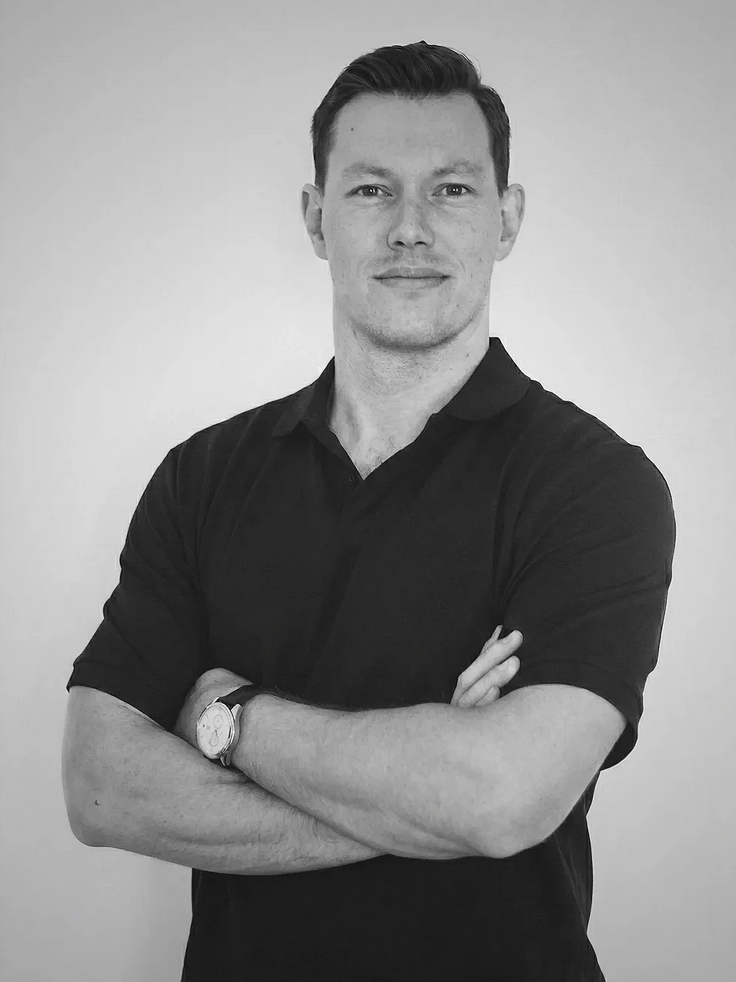
Donovan Baker
Physiotherapist
Donovan Baker leads The Physio Don with over 15 years' experience across private practice, aged care, and high-performance sport. His background in Exercise Science and APA Gerontology means he brings a strength-first, whole-person approach to back rehab — from acute flare-ups to rebuilding long-term confidence and capacity.
View full profile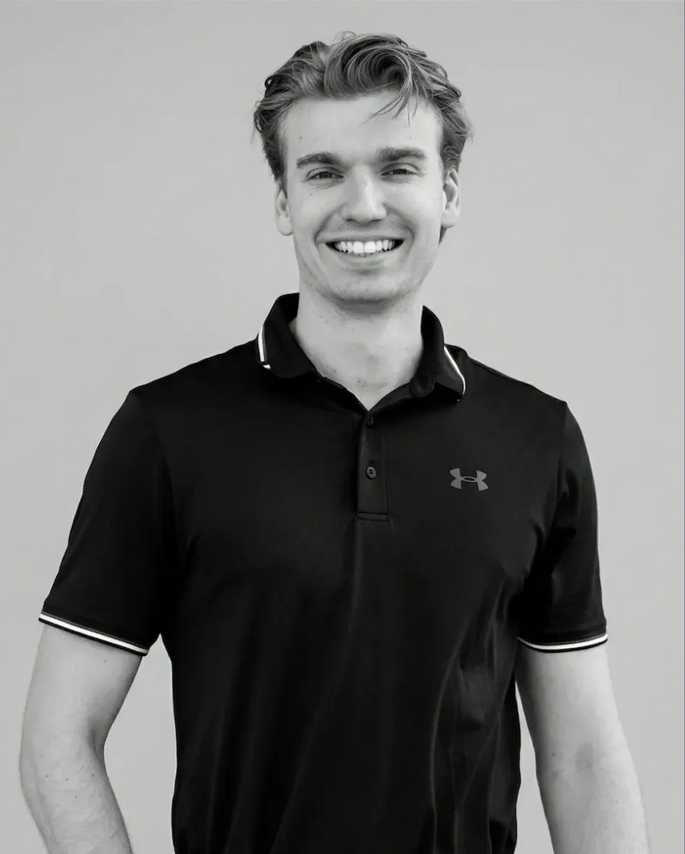
Nathan McKeough
Physiotherapist
Nathan McKeough is a Hervey Bay physiotherapist with Honours training and APA specialisations in Sports Physiotherapy and Dry Needling. He has a strong focus on injury rehabilitation and progressive loading, helping runners, lifters, and everyday locals rebuild strong, resilient backs.
View full profileReady to do something about your back?
Book online or give us a call today. We'll work out what's going on and what the next step looks like.