
Hip Pain Physiotherapy in Hervey Bay
Expert rehabilitation for hip pain, bursitis, arthritis and persistent aches that are stopping you from moving comfortably.
Whether you're waking every time you roll onto your side, struggling to get out of the car, or dealing with a deep ache that makes walking less enjoyable, we'll work out what's going on and create a clear plan to help you move confidently again.
The Frustration Of Hip Pain
Hip pain has a habit of slowly wearing people down.
It interrupts your sleep.
It makes long walks less enjoyable.
You start thinking twice about stairs.
Getting in and out of the car becomes frustrating.
Even putting on your shoes and socks can suddenly become difficult.
Because the hip is a deep, weight-bearing joint, it's easy to assume the pain means your joint is simply wearing out.
Many people tell us:
"I thought I was just getting old."
The truth?
Hips are incredibly strong and adaptable joints.
Many forms of hip pain respond extremely well to targeted rehabilitation and progressive strengthening.
At The Physio Don, we don't simply treat scans and diagnoses. We assess the person in front of us.
Our goal is to settle the irritation, restore confidence in your movement and build the strength and capacity needed to help you get back to life.
Who This Is For
Whether you're struggling to finish your usual walk along the Esplanade, trying to keep up with the gardening, wanting to stay active around Point Vernon or recovering from hip surgery at St Stephen's Hospital, we can help.
We provide practical, evidence-based rehabilitation for everyday locals who want to move comfortably again.
Common Hip Conditions We Help With
Hip pain can originate from muscles, tendons, bursae or the joint itself.
Understanding what is driving the irritation is often the key to successful rehabilitation.
Hip Osteoarthritis
Deep groin aches and stiffness that often make walking, getting out of chairs and putting on shoes more difficult. Although structural changes are common as we age, improving strength and physical capacity can significantly reduce pain and improve function.
Greater Trochanteric Pain Syndrome (Bursitis)
Pain on the outside of the hip that commonly makes sleeping on that side miserable. Despite often being called bursitis, the underlying issue frequently involves the gluteal tendons and usually responds very well to targeted strengthening.
Gluteal Tendinopathy
Pain and sensitivity on the side of the hip that commonly affects walkers and active adults. Complete rest rarely solves the problem. Appropriate loading and progressive strengthening often produce the best long-term results.
Hip Flexor & Groin Strains
Pain or pulling at the front of the hip that can make walking, stairs and exercise uncomfortable. Rehabilitation focuses on restoring movement confidence and rebuilding strength.
Femoroacetabular Impingement (FAI) & Labral Irritation
Pinching sensations deep in the groin, particularly when sitting, squatting or twisting. We help people improve movement confidence and gradually return to the activities they enjoy.
Referred Lower Back Pain
Sometimes hip pain isn't coming from the hip at all. Irritated structures in the lower back can refer pain into the buttock or side of the hip. A thorough assessment helps us determine where symptoms are truly coming from.
Post-Operative Hip Rehabilitation
Structured rehabilitation following total hip replacement, arthroscopy or labral repair. We work alongside your medical team to rebuild walking confidence, strength and independence.
Balance & Hip Stability Problems
Weakness around the hips can make stairs, uneven ground and longer walks feel increasingly difficult. Improving hip strength often improves balance and confidence as well.
Common Signs & Symptoms
The pattern of your symptoms often tells us more than the intensity of the pain itself.
Do I Need A Scan?
Many people assume hip pain automatically means arthritis or that they need a scan.
The reality is that structural findings become increasingly common as we age and don't always match our symptoms.
Scans can sometimes be useful, particularly when they change management decisions.
Our role is to determine when imaging is likely to help and when a thorough assessment may provide all the information we need.
We treat people, not scan reports.
Why Does Hip Pain Keep Coming Back?
Pain often changes how people move.
They walk less.
They avoid stairs.
They stop exercising.
They become more cautious.
Over time, strength drops and confidence falls with it.
The hip gradually becomes less tolerant of everyday activities.
Our goal isn't simply to settle the current flare-up.
It's to help you build stronger, more resilient hips that allow you to move comfortably and confidently again.
Our Approach
Understand The Problem
We conduct a thorough history and assessment to understand what's driving your symptoms and what you're trying to get back to.
Calm Things Down
We use hands-on therapy, education and sensible activity modification strategies to settle symptoms and restore comfortable movement.
Build Strength & Resilience
This is where lasting change happens.
Getting out of pain is important.
Staying out of pain usually means rebuilding strength, confidence and physical capacity.
With direct access to the premium strength and conditioning facility at LIFT, we're able to guide you through a structured and progressive rehabilitation program designed to help you walk further, sleep better and move with confidence again.
Because feeling better is great. Staying better is even better.
Real Life Examples
We often see people who can walk comfortably but can't lie on their side at night.
Others sleep reasonably well but struggle getting out of the car or climbing stairs.
Some can still exercise but avoid longer walks because of a deep ache in the groin.
These differences matter.
Two people with the same scan can need completely different plans.
The goal isn't a generic hip protocol.
It's understanding what's limiting your life and rebuilding capacity around that.
Frequently Asked Questions
Do I need a scan for hip pain?+
Most hip pain doesn't need a scan. Findings such as labral changes, mild arthritis and tendon irregularities are extremely common in people with no pain at all, and become more frequent with age. Scans are most useful when the result would genuinely change the plan — for example, significant trauma, suspected serious pathology or pre-surgical planning. For the everyday hip pain we see most often, a careful clinical assessment tells us more than the image does.
Is my hip pain bursitis?+
Pain on the outside of the hip is often labelled 'bursitis', but research now shows the bursa is rarely the main culprit. The underlying issue is usually a sensitive gluteal tendon (gluteal tendinopathy). The good news is that progressive, well-dosed loading and strengthening is consistently one of the most effective treatments — far more so than rest, injections or anti-inflammatories alone.
Can arthritis improve?+
The pain, stiffness and limitations associated with hip arthritis can absolutely improve, even though structural changes don't reverse. People often get stronger, walk further and have far less pain over months of consistent rehabilitation. Strengthening the muscles around the hip is one of the best evidence-based treatments we have for hip osteoarthritis.
Why can't I sleep on my side?+
Lying on a sensitive hip compresses the gluteal tendons and bursa, which can flare pain. This is one of the hallmarks of gluteal tendinopathy / lateral hip pain. Practical strategies — pillow positioning, side-sleeping technique, daytime loading habits — combined with progressive strengthening typically restore comfortable sleep over time.
Will I eventually need a hip replacement?+
Not necessarily. Many people with arthritic-looking hips manage extremely well long-term without surgery, particularly when they build strength and physical capacity around the joint. Hip replacement is a genuinely excellent operation when it's needed — but it's a decision based on your symptoms and function, not a scan finding alone.
Can physiotherapy help after a hip replacement?+
Absolutely. Structured rehabilitation after a total hip replacement, arthroscopy or labral repair helps rebuild walking confidence, strength, balance and independence. We work alongside your surgical team to guide you safely from early recovery back to the activities you had the surgery for.
Should I stop walking?+
Almost never. Walking is generally one of the best things you can do for a hip. We may temporarily adjust distance, terrain or frequency during a flare-up, but the goal is to keep moving and gradually build back tolerance — not to wrap the hip in cotton wool.
Can I still go to the gym?+
Usually yes, with intelligent modifications. We'll work out which movements settle things down and which wind them up, then build a program that lets you keep training while we sort the hip out. For many hip conditions, continuing to lift and load is part of the solution, not the problem.
Why does my groin hurt?+
Deep groin pain is often a sign that the hip joint itself is involved — commonly hip osteoarthritis, FAI or labral irritation. Less commonly, it can come from hip flexor or adductor strains, or referred pain from the lower back. A thorough assessment helps us work out what's driving it and what will help.
Can physiotherapy help gluteal tendinopathy?+
Yes — and it's currently the most effective treatment we have for it. The evidence consistently shows that progressive loading and strengthening of the gluteal muscles, combined with education and sensible activity modification, outperforms cortisone injections in the medium and long term.
Can I still play golf?+
For most people, yes. We might temporarily modify volume, walking distance or swing demands while the hip settles, but the long-term goal is to build a hip that handles a full round comfortably. Golf is often a great motivator for the kind of strength and mobility work that helps the hip long-term.
Can strengthening exercises actually help my hip?+
Yes — and this is often where the biggest, most lasting changes happen. Hips respond extremely well to progressive strengthening, even hips that have been painful or stiff for years. Stronger glutes and surrounding muscles improve load tolerance, reduce sensitivity and give the joint the support it needs to feel and function better.
Meet Your Hervey Bay Physiotherapists
Our physiotherapists are the people actually doing the assessment, hands-on treatment, and rehab programming — not assistants you never meet.
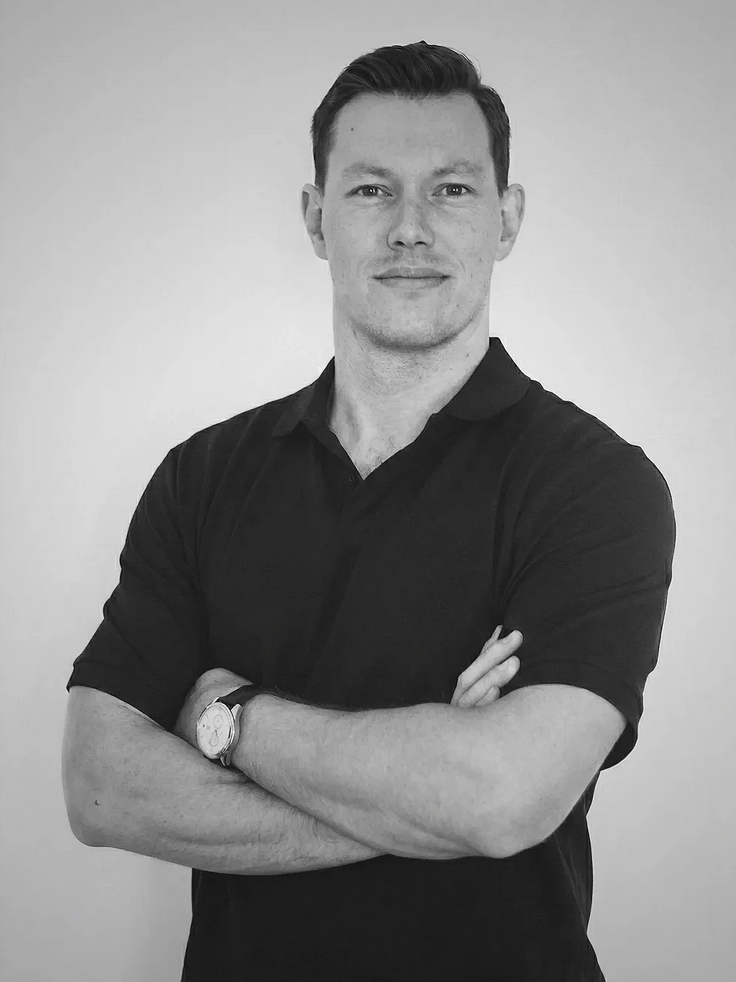
Donovan Baker
Physiotherapist
Donovan Baker leads The Physio Don with over 15 years' experience across private practice, aged care, and high-performance sport. His background in Exercise Science and APA Gerontology means he brings a strength-first, whole-person approach to hip rehab — from settling stubborn lateral hip pain to guiding people confidently through post-replacement recovery.
View full profile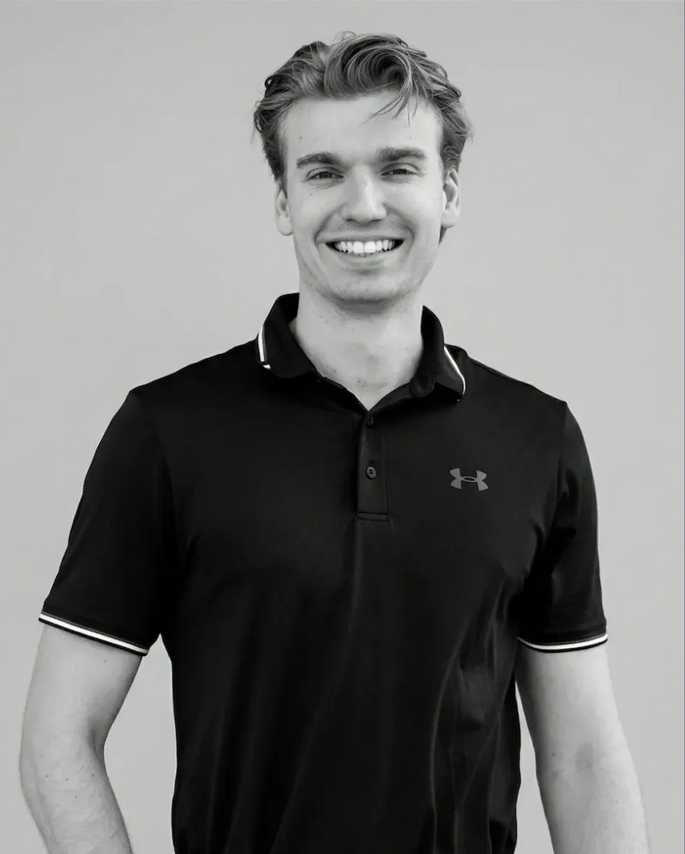
Nathan McKeough
Physiotherapist
Nathan McKeough is a Hervey Bay physiotherapist with Honours training and APA specialisations in Sports Physiotherapy and Dry Needling. He has a strong focus on injury rehabilitation and progressive loading, helping runners, lifters, and everyday locals rebuild strong, resilient hips.
View full profileReady to do something about your hip?
Book online or give us a call today. We'll work out what's going on and what the next step looks like.